
Home › What we do

Four pieces. Most clients start at the first one.

They stack, and they're sequenced deliberately. Wiring a platform in before the documents make sense just gives you unusable procedures with better reporting on them.

01

Your existing SMS, humanised

You already have a safety management system. It is technically complete and functionally unreadable — written for an auditor, filed somewhere a supervisor will not go looking at 6 AM. We take the clinical and theoretical language out of it, reconnect it to front-line supervision, and integrate it into Wombat so it is live rather than filed.

A hazard assessment nobody reads is not a control. This is where the actual change happens, and it is where most engagements should start.

  • Full teardown of existing documents, forms, procedures and training records
  • Field validation before anything is rewritten
  • Plain-language rewrite at the reading level of the person doing the task
  • Redundant forms killed, everything consolidated to one source of truth
  • Every procedure mapped to a real workflow and a named owner
  • Built into Wombat, with the rollout run rather than handed over
Most common entry point
02

Front-line capability

Supervision that can actually run it. A rewritten system sitting on top of the same supervisory capability decays back to where it started inside a year — the documents improve and the habits don't, and within a few months the workarounds are back.

We build the capability alongside the documents rather than after them, working with the supervisors who will be carrying it once we are gone.

  • Coaching for supervisors and competent persons on the system they will run
  • Toolbox talk structure that isn't a script read at a truck
  • How to run a field-level hazard assessment that changes what happens next
  • Making the reporting worth doing, so it keeps happening after we leave
03

Construction Management Teams, wired into Wombat by API

For firms running crews across multiple sites for multiple owners, where the CMT needs visibility and the temptation is to solve it by asking supervisors to fill in one more thing.

The API path means the management team gets the picture from the system supervision is already using, rather than from a parallel reporting chain that has to be maintained by hand and is out of date by Wednesday.

  • Multi-site visibility without a second reporting burden on the field
  • Integration scoped to what the CMT actually makes decisions on
  • Leading indicators rather than a lagging incident count
04

Investigation and risk advisory that learns instead of blames

An investigation that ends at "employee failed to follow procedure" produces a corrective action and no learning. It also tells every worker watching that the safest thing to do next time is say less.

We look at why the shortcut made sense at the time, and fix the conditions that made it the reasonable choice. That produces findings you can act on and does not cost you the reporting culture you need for the next one.

  • Incident and near-miss investigation on HOP principles
  • Findings written so they survive legal review without becoming useless
  • Risk advisory on the conditions, not the individuals
  • Corrective actions that change context rather than restate the rule
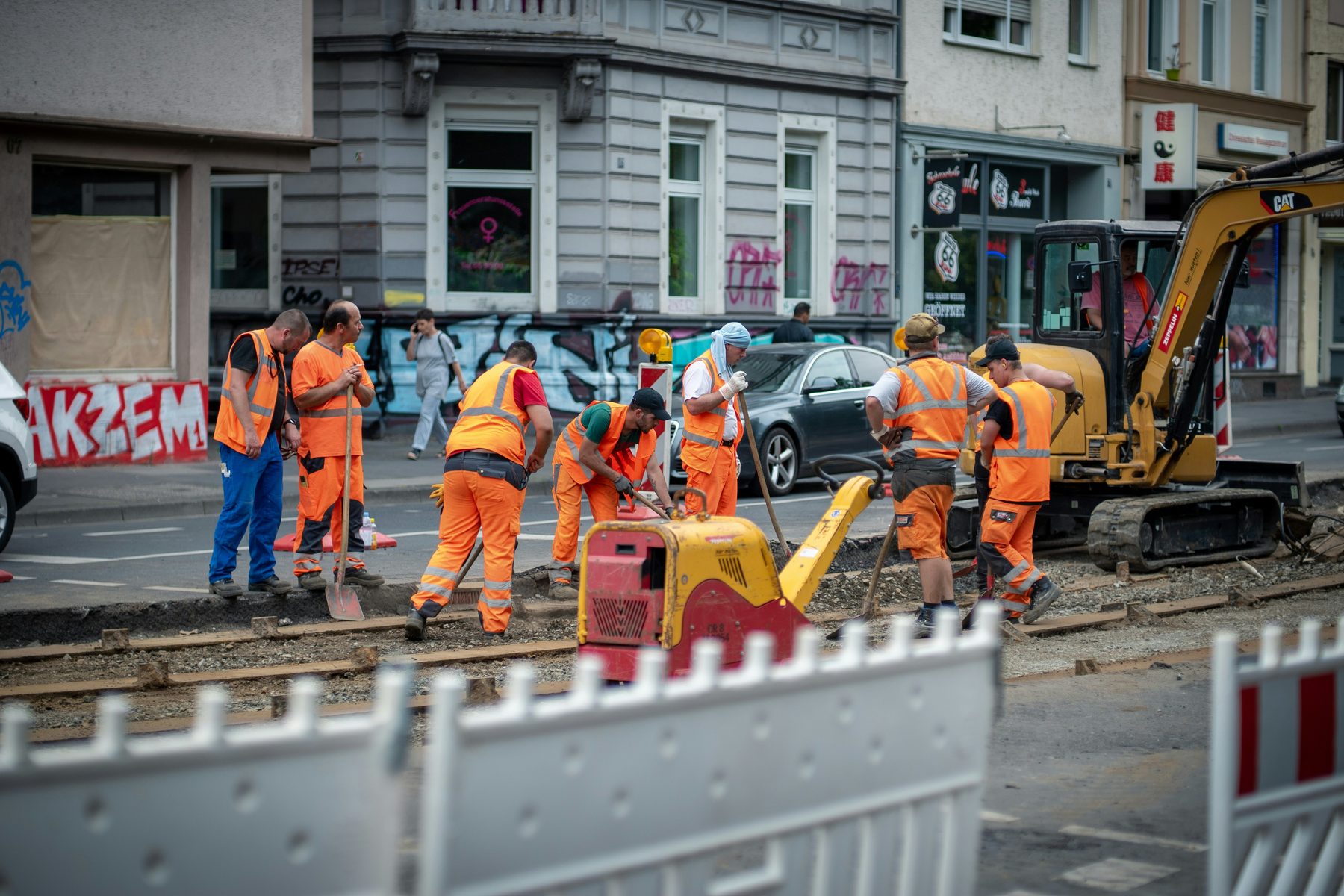
A road crew in orange high-visibility clothing working on a tram line in a city street behind barriers
Front-line capability is the difference between a system that holds and one that drifts.

A note on sequence

Why the order matters more than the menu.

Platform before documents

Integrating a system nobody can read just means the unusable procedures are now searchable and reportable. You have bought visibility into a problem instead of fixing it. This is the most common way this work goes wrong.

Documents before capability

Better documents with the same supervisory habits underneath will hold for a while and then drift. If budget forces a choice between finishing the rewrite and building the capability, tell us early and we will scope it differently.

Common questions

Scope, timeline, and cost.

How long does this take, honestly?

Months, not weeks. And there is typically a stretch around month two where it annoys people — supervisors are being asked to change how they document work while still delivering production, and the new system is not yet paying them back for the effort.

We would rather tell you that now than have you find out after you have signed. Credibility comes from accurate expectations, not enthusiasm.

Do we have to use Wombat?

The integration work assumes it, and it is where the multi-site visibility and the API path for Construction Management Teams come from. If you are running something else, say so early and we will be straight with you about what carries over and what does not.

What does it cost?

Scoped after we have seen the work and the existing system. A two-crew contractor and a firm running six sites for three owners are not the same engagement, and quoting before we have looked would mean padding it.

Do you deliver training as well, or only documents?

Both. Documents without the supervisory capability underneath them decay back to where they started inside a year. Building front-line capability is a named part of the work rather than an add-on at the end.

All questions

Which of the four are you actually short on?

Tell us what you have and what isn't working. If the answer is that you need two forms fixed rather than a rewrite, we'll say that.