
Safety management systems for the front line.

Safety went clinical. We put it back with the people doing the work.

We take the safety management system you already have, strip out what's clinical and theoretical, rewrite it around how supervision actually runs a shift, and put it somewhere the crew will open it. Compliance falls out of that. It isn't the point of it.

Purlin Safety Systems Ltd. British Columbia, Canada Human & Organizational Performance, operationalised
A purlin carries the load across the span and distributes it into the structure. It sits between the building and the people working under it.
The load path, and who is standing under it
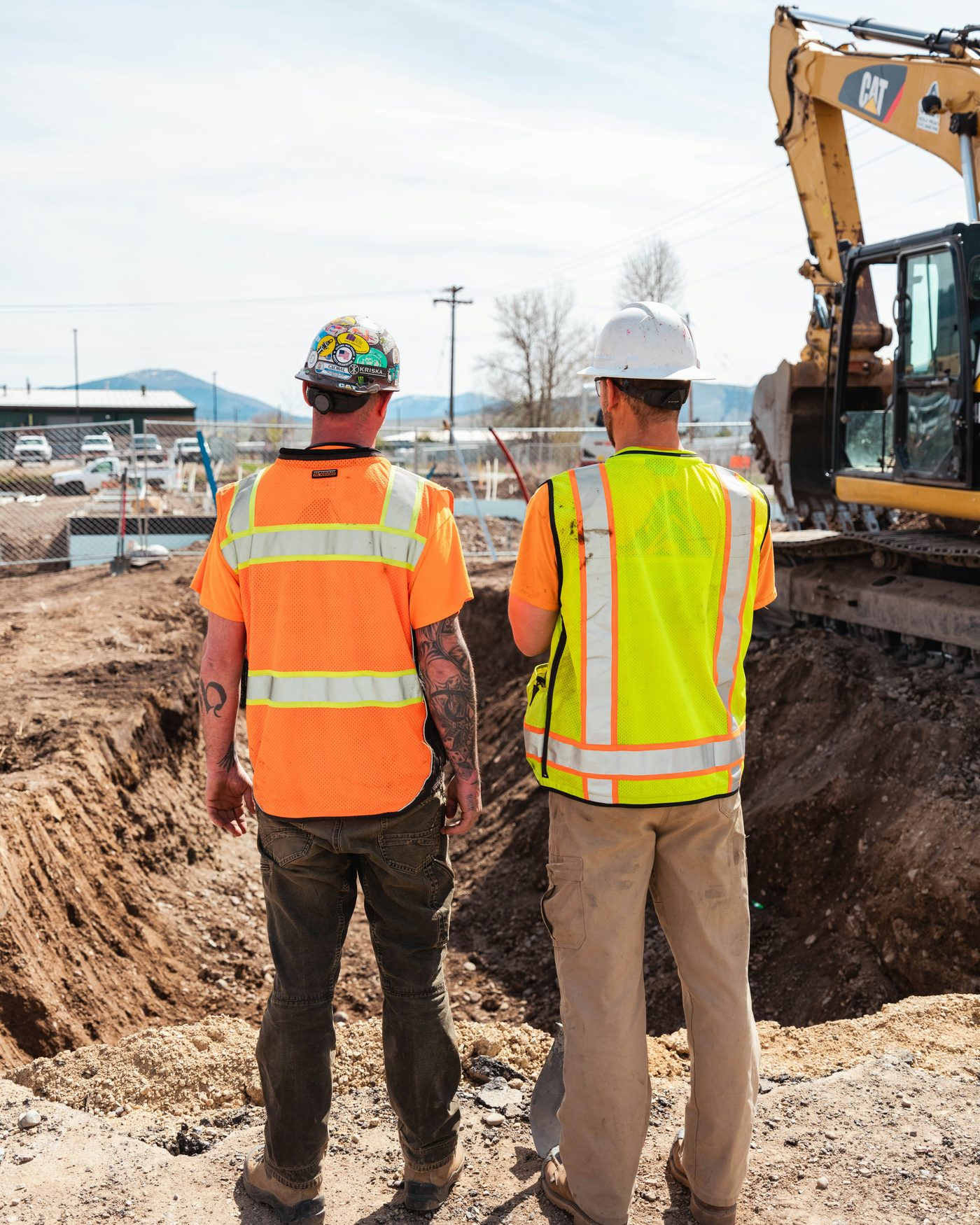
Two workers in high-visibility vests and hard hats standing at the edge of an excavation, watching an excavator work

Everything starts here

Boots on, watching the job get done. The gap between the written procedure and the work as actually performed is only visible from this side of the tape — which is why nothing gets rewritten before we have stood in it.

01 — What Purlin is arguing

Health and safety went clinical and theoretical.

That position sits downstream of Human and Organizational Performance. It is not a philosophy bolted on afterwards — it is the reason the work is built the way it is.

Workers are the solution

Not the problem. The people doing the job know where the system stops matching reality, because they are the ones absorbing the gap every day.

Error is normal

People will make mistakes on every project you ever run. A system that only works when nobody errs is not a system — it's a hope.

Context drives behaviour

Change the conditions and the behaviour follows. Change the poster on the wall and nothing does.

Blame fixes nothing

Finding the person who broke the rule ends the investigation exactly one step before it becomes useful.

Most firms can't run their own HOP programme — the headcount and the internal expertise aren't there, and hiring for it doesn't pencil. Purlin operationalises it for companies that size.

Read the approach in full

02 — What we sell, in order

Four pieces. Most clients start at the first one.

They stack, and they're sequenced deliberately. Wiring a platform in before the documents make sense just gives you unusable procedures with better reporting on them.

01

Your existing SMS, humanised

The clinical and theoretical language stripped out and reconnected to front-line supervision, then integrated into Wombat so it's live rather than filed. A hazard assessment nobody reads is not a control.

Most common entry point
02

Front-line capability

Supervision that can actually run it. A rewritten system with the same supervisory capability underneath it decays back to where it started inside a year.

03

Construction Management Teams, wired into Wombat by API

Visibility for the CMT without adding another parallel reporting chain for supervisors to maintain.

04

Investigation and risk advisory that learns instead of blames

We look at why the shortcut made sense at the time, and fix the conditions that made it the reasonable choice.

See what each piece involves

03 — How this reads in practice

The difference is visible in a single paragraph.

If you want to know whether a safety partner actually holds the position they advertise, read one of their incident write-ups.

Writing up an incident

Not this

The investigation determined the incident was caused by employee failure to follow established procedure.

This

The procedure assumed conditions that weren't there that morning. We looked at why the shortcut made sense at the time, and fixed the conditions that made it the reasonable choice.

04 — Where we sit

You have three other options. Here's the honest comparison.

Against the big consultancies

They sell frameworks. We sell systems that survive contact with a Tuesday morning crew change.

Against the solo safety consultant

He brings a binder. We take the SMS you already have, strip out what's clinical and theoretical, run it live in Wombat with multi-site visibility, and leave a programme that keeps working after we go.

Against the software vendors

Platforms don't change behaviour on their own. We're the practitioner who makes the technology land with front-line supervision.

05 — Who we're for

Three situations, specifically.

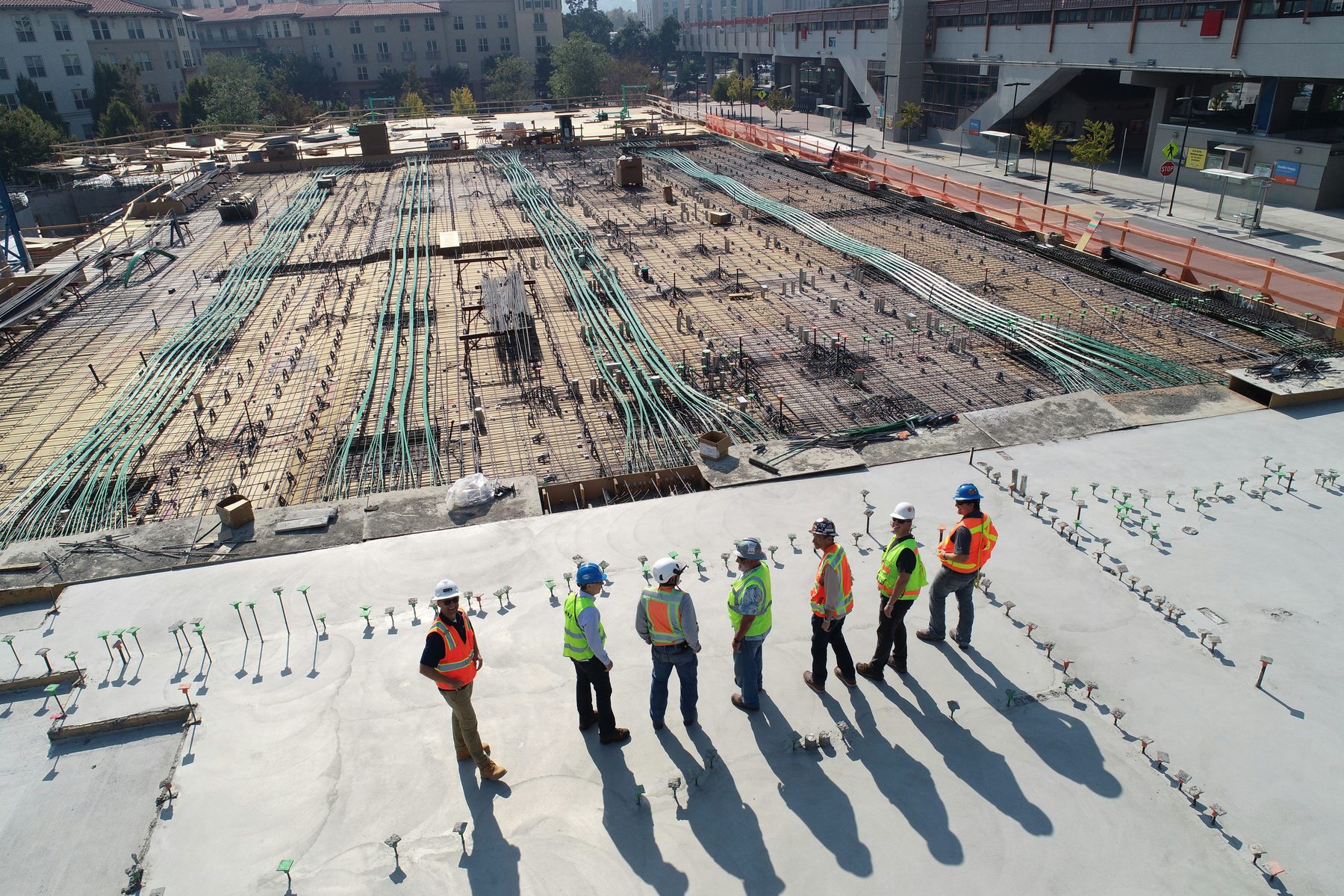
Seven workers in hard hats and high-visibility vests walking across a concrete deck above a rebar mat
Crews running work across multiple sites, for multiple owners.

Small and mid-size firms with crews in the field

Often running four sites for three owners, with a supervisor carrying the safety system on top of a full production role.

Contractors working for health authorities

Where prequalification gates revenue, and a system that can't survive scrutiny costs you the work before you ever price it.

Larger organisations past compliance theatre

Ready to move toward HOP in the field, with leadership that has stopped believing the audit score is the same thing as the risk.

More on who this suits

Tell us what you've got and what isn't working.

You'll get a straight read on whether there's work worth doing here. If your system is sound and you need two things fixed, that's what we'll say.